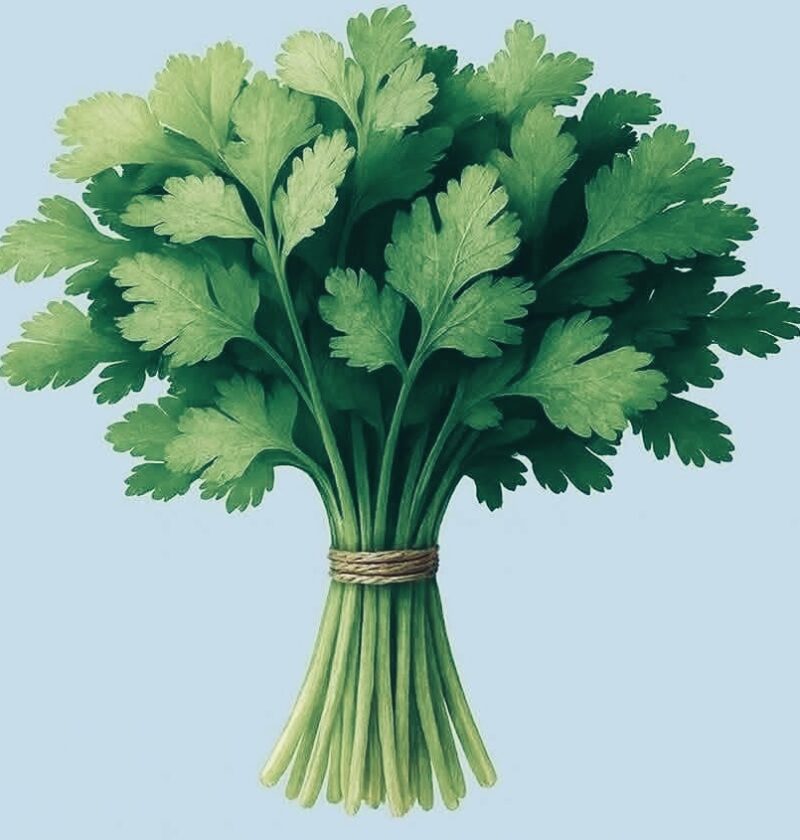
Cilantro: More Than Just Flavor
Cilantro (also known as coriander) is a nutritional powerhouse that offers more than just flavor; it is widely discussed for its potential to help detoxify the body. While many social media claims suggest specific, high percentages of heavy metal removal, it is important to distinguish between scientific findings and popular health trends.
The “Detox” Debate
While cilantro is celebrated for its health properties, the specific claim that it removes exactly 87% of lead, 91% of mercury, and 74% of aluminium is currently unsupported by clinical human evidence.
Environmental Evidence: Studies have shown that cilantro can successfully adsorb heavy metals like cadmium and lead from contaminated water and soil.
Animal Studies: Research in rodents has shown reduced lead and mercury levels after cilantro administration, but these results do not always translate directly to humans.
Human Trials: There is currently insufficient clinical evidence to confirm that eating cilantro can reliably treat heavy metal toxicity in the human body.
Ingredients & Nutrients
Cilantro’s benefits come from its dense profile of bioactive compounds and vitamins:
Vitamins: Rich in Vitamin K (essential for bone health and blood clotting), Vitamin A, and Vitamin C.
Antioxidants: Contains flavonoids (like quercetin), phenolic acids, and lutein which combat oxidative stress.
Minerals: Provides potassium, calcium, magnesium, and folate.
Essential Oils: Includes linalool, which has been studied for its anti-inflammatory and anti-anxiety effects.
Instructions for Use
To get the most out of cilantro, it should be handled properly:
Wash Thoroughly: Always rinse fresh bunches under cold water to remove soil and potential contaminants.
Fresh vs. Dried: Use fresh leaves whenever possible, as they are more nutrient-dense and flavorful than the dried version.
Adding to Food: Add fresh leaves at the very end of cooking or as a raw garnish to preserve their delicate antioxidants and enzymes.
How to Incorporate It
Salsas and Dips: Blend fresh cilantro into pico de gallo, guacamole, or chutneys.
Salads: Use whole leaves as a salad green mixed with spinach or arugula.
Smoothies: Some people blend cilantro with chlorella or fruit as part of a “detox” routine, though its medical efficacy for this is still under study.
Variations
Coriander Seeds: The seeds of the same plant have a different flavor profile (warm and citrusy) and are often used in spice blends like garam masala.
Cilantro Stem vs. Leaf: Both are edible; stems actually hold a concentrated amount of flavor and can be chopped finely.
Tips
Storage: Store fresh cilantro like flowers—place the stems in a jar of water and cover the top loosely with a plastic bag in the fridge.
The “Soapy” Taste: If cilantro tastes like soap to you, it may be due to a genetic variation in your olfactory receptors.
Antimicrobial Properties: Cilantro contains dodecanal, which may help the body fight off certain foodborne illnesses like salmonella.
Conclusion
Cilantro is an excellent addition to a healthy diet, providing essential antioxidants and vitamins that support heart, bone, and brain health. While its ability to “detox” heavy metals is a promising area of research, it should be enjoyed for its nutritional value rather than used as a primary medical treatment for toxicity.