Holy Basil (Tulsi) for Oral Health
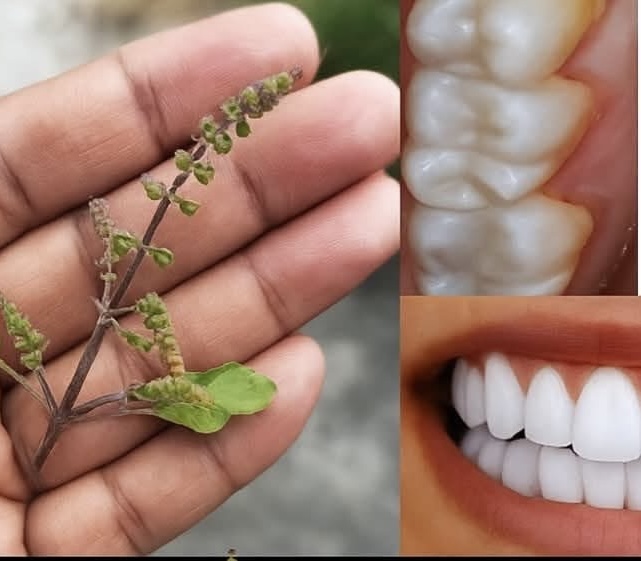
Holy Basil, commonly known as Tulsi, is a revered herb in Ayurvedic medicine, widely used for maintaining oral hygiene due to its strong antimicrobial, anti-inflammatory, and analgesic properties. It contains active compounds such as eugenol, carvacrol, and terpenes, which help combat harmful oral bacteria and support gum health.
🌿 Benefits for Oral Health
🦷 Cavity Prevention
Tulsi has demonstrated antibacterial activity against Streptococcus mutans, the primary bacterium responsible for dental cavities. Regular use may help reduce bacterial growth and plaque formation.
🪥 Gum Health
Its anti-inflammatory effects support the management of gingivitis and periodontitis. Using Tulsi as a mouthwash or gently massaging the gums with Tulsi powder may help reduce swelling, bleeding, and plaque buildup.
🌬️ Bad Breath (Halitosis)
Tulsi acts as a natural mouth freshener by neutralizing odor-causing bacteria, leaving the breath clean and fresh.
😬 Pain Relief
Thanks to its eugenol content—similar to clove—Tulsi can provide mild, natural pain-relieving effects that may help soothe toothaches.
🩹 Mouth Ulcers
Chewing fresh Tulsi leaves or rinsing with a Tulsi decoction may help accelerate healing of mouth sores and ulcers due to its antimicrobial action.
🧴 How to Use Tulsi
Chewing Fresh Leaves:
Chew 3–4 fresh leaves daily for general oral hygiene and fresh breath.
Tooth Powder or Paste:
Dried Tulsi leaves can be powdered and used alone for brushing or mixed with mustard oil to create a traditional Ayurvedic toothpaste.
Mouthwash:
An aqueous Tulsi extract (boiled leaves in water) can be used as a mouth rinse twice daily to help reduce plaque and bacterial buildup.
⚠️ Important Precautions
While Tulsi offers many benefits, mindful use is important:
Enamel & Staining Concerns:
Prolonged chewing of Tulsi leaves is sometimes discouraged due to their mild acidity and trace mineral content, which may contribute to enamel wear or staining over time. Swallowing the leaves or using diluted rinses is often preferred.
Medication Interactions:
Tulsi has mild blood-thinning properties. Individuals taking anticoagulant medications or preparing for surgery should consult a healthcare professional before regular use.
Pregnancy & Breastfeeding:
Tulsi is generally not recommended during pregnancy or breastfeeding due to its potential effect on uterine activity.
✅ Conclusion
Tulsi is a powerful natural herb that can support oral hygiene, gum health, and breath freshness when used correctly and in moderation. While it should not replace professional dental care, it can serve as an effective complementary remedy rooted in centuries of Ayurvedic wisdom.