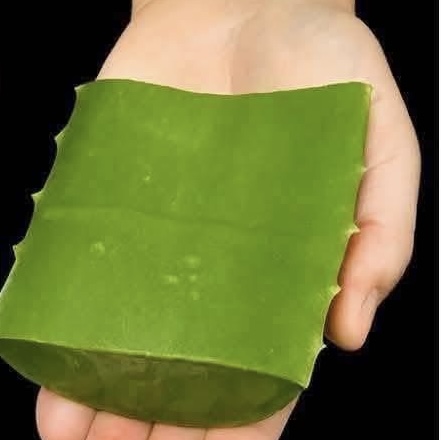
Aloe Vera: Nature’s Soothing Plant
Aloe vera is a popular plant with a long history of traditional use for digestive issues and skin conditions. However, the claim that it is “150 times stronger” than antibiotics or traditional remedies is an exaggeration not supported by medical science.
Introduction
Aloe vera contains bioactive compounds like polysaccharides and anthraquinones that offer genuine antimicrobial and anti-inflammatory benefits. While it can inhibit the growth of certain bacteria and fungi in lab settings, it is not a replacement for medical treatments like antibiotics.
Ingredients
Fresh Aloe Vera Gel: The clear, inner part of the leaf, which contains vitamins, enzymes, and minerals.
Aloe Latex (Optional/Caution): The yellow sap found just under the skin, which has powerful laxative effects.
Instructions
Harvesting: Carefully cut a mature leaf from the base of the plant.
Draining: Stand the leaf upright in a container for 10–15 minutes to let the yellow latex (aloin) drain out if you wish to avoid its strong laxative effect.
Filleting: Slice off the spiny edges and peel away the green skin to reveal the clear gel.
Rinsing: Rinse the gel under cool water to remove any remaining bitter residue.
How to Make
Gel Extraction: Blend the clear gel into a smooth liquid or cut it into small cubes.
Consumption: For digestive support, small amounts of the gel can be mixed into water or juice.
Topical Use: Apply the fresh gel directly to skin irritations or minor burns.
Variations
Internal Digestive Aid: Mixing aloe gel with honey or citrus juice is a common folk remedy for soothing the stomach.
Antiparasitic Use: Traditional medicine sometimes uses aloe for “worm infestations,” and animal studies have shown potential against parasites like Giardia, though more human research is needed.
Laxative Prep: In some cultures, the whole leaf (including latex) is used specifically to treat severe constipation.
Tips
Safety Warning: Do not consume aloe latex or whole-leaf extracts long-term; the FDA banned aloe from over-the-counter laxatives in 2002 due to safety concerns and potential cancer risks.
Avoid During Pregnancy: Pregnant or breastfeeding women and children under 12 should not ingest aloe products.
Check for Sensitivities: Before applying topically, do a patch test to ensure you don’t have an allergic reaction.
Conclusion
While Aloe vera is a valuable natural tool for soothing digestion and supporting skin health, it should be used with caution when taken internally. It is a helpful supplement, but it does not possess the concentrated power to “destroy” infections more effectively than modern antibiotics.
⚠️This recipe may not be suitable for everyone, so it is advisable to consult a doctor.