Introduction
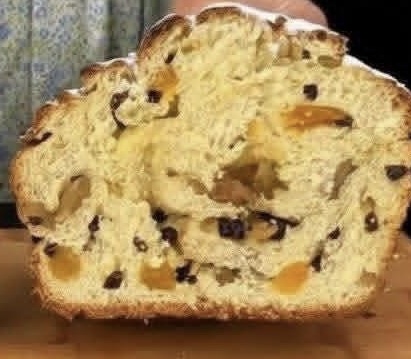
This homemade Easter bread is unbelievably soft, fluffy, and aromatic—far better than anything you can buy from a store. Thanks to a simple but clever technique using both warm milk and warm water, the dough rises beautifully and stays tender for days. Once you try it, this recipe will become a holiday tradition.
Ingredients
For the Dough
2 large eggs
60 grams sugar
200 ml warm milk
200 ml warm water
8 grams dry yeast (about 2¼ teaspoons)
Vegetable oil or melted butter
All-purpose flour
Salt
Vanilla extract (optional)
Lemon or orange zest (optional)
Instructions
Prepare all ingredients at room temperature
Warm the milk and water until just lukewarm
Preheat the oven before baking
Grease the baking mold or line it with parchment paper
How to Make
In a large bowl, whisk the eggs with sugar until light and slightly frothy
Add the warm milk and warm water, then mix gently
Sprinkle the dry yeast over the mixture and let it rest for 10 minutes until foamy
Add salt, oil (or melted butter), and vanilla if using
Gradually add flour while mixing until a soft dough forms
Knead the dough until smooth and elastic
Cover and let the dough rise in a warm place until doubled in size
Shape the dough into a loaf or braid for Easter style
Place into the prepared pan and let rise again
Bake until golden brown and cooked through
Cool completely before slicing
Variations
Add raisins, dried cranberries, or chocolate chips
Use honey instead of sugar for a richer flavor
Add cinnamon or cardamom for warmth
Shape into braided rings or individual rolls
Brush with honey glaze after baking for shine
Tips
Do not use hot liquids, as they can kill the yeast
Knead well to achieve a fluffy texture
Let the dough rise fully for the best result
Cover with foil if the top browns too quickly
Store wrapped to keep it soft longer
Nutrition
Provides energy from carbohydrates
Contains protein from eggs
Includes fats for softness and moisture
Supplies B-vitamins from yeast
Lower preservatives compared to store-bought bread
Healthy Benefits
Homemade bread avoids artificial additives
Eggs support muscle and tissue repair
Yeast aids digestion and gut health
Milk contributes calcium for strong bones
Moderate sugar keeps the bread balanced
Conclusion
This Easter bread proves that homemade is always better. With its soft crumb, delicate sweetness, and irresistible aroma, it’s the perfect centerpiece for your holiday table.