Flaxseed Tea Recipe: A Simple Seed Drink for a Balanced Wellness Routine
The viral image promoting a “seed that cures cancer, diabetes, high blood pressure, and poor circulation” is making claims that go far beyond what scientific evidence supports.
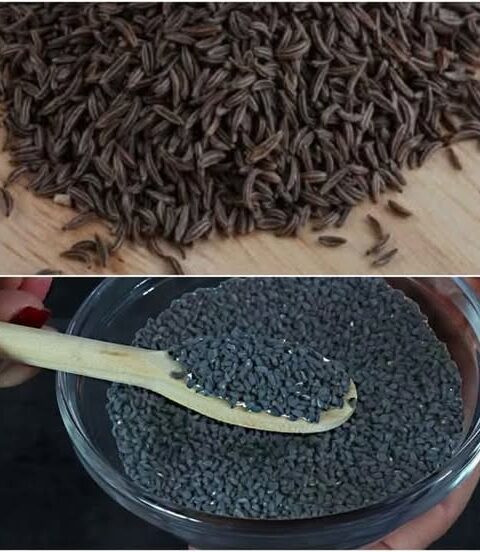
The seed shown appears to be flaxseed (linseed), a nutritious food that contains fiber, alpha-linolenic acid (ALA), and lignans. However, flaxseed tea should not be presented as a cure for cancer, diabetes, hypertension, or any other medical condition.
This simple flaxseed tea recipe is a soothing way to prepare flaxseed as a warm drink. It has a mild, earthy flavor and develops a slightly silky texture as the seeds release soluble fiber into the water.
Important: Flaxseed tea is a food or beverage, not a treatment for cancer, diabetes, high blood pressure, poor circulation, or other diseases.
It should not replace prescribed medication, medical treatment, or professional medical advice.
Recipe Overview
| Category | Details |
|---|---|
| Recipe | Flaxseed Tea |
| Also Called | Linseed Tea |
| Prep Time | 2 minutes |
| Simmering Time | 10–15 minutes |
| Total Time | 15–17 minutes |
| Servings | 2 cups |
| Difficulty | Easy |
| Cuisine | Wellness / Natural Beverage |
| Main Ingredient | Whole flaxseed |
| Flavor | Mild, earthy, slightly nutty |
| Best Served | Warm |
| Suitable For | Adults looking for a simple flaxseed beverage |
Why You’ll Love This Recipe
This flaxseed tea recipe uses only a few inexpensive ingredients and requires no special equipment.
The finished drink is naturally caffeine-free and has a pleasantly silky texture from the soluble fiber released during simmering.
Flaxseed is also a convenient ingredient to include in a balanced diet. It provides plant-based ALA omega-3 fatty acid, dietary fiber, and lignans.
These nutrients make flaxseed an interesting addition to a heart-conscious eating pattern, although eating flaxseed as part of a healthy diet is very different from claiming that flaxseed can cure disease.
The recipe is also easy to customize. You can add fresh ginger, lemon, cinnamon, or a small amount of honey for additional flavor without making the preparation complicated.
Ingredients
For the Flaxseed Tea
| Ingredient | Amount | Notes |
|---|---|---|
| Whole flaxseeds | 2 tablespoons | Golden or brown flaxseed |
| Water | 4 cups | Filtered water is ideal |
| Fresh ginger | 2–3 thin slices | Optional |
| Lemon juice | 1–2 teaspoons | Optional |
| Honey | 1–2 teaspoons | Optional |
Optional Flavor Additions
| Ingredient | Amount | Purpose |
|---|---|---|
| Cinnamon stick | 1 small stick | Warm, aromatic flavor |
| Fresh mint | 4–5 leaves | Fresh finish |
| Orange peel | 1 small strip | Light citrus aroma |
| Turmeric | ¼ teaspoon | Earthy flavor |
Step-by-Step Instructions
1. Measure the Flaxseed
Measure 2 tablespoons of whole flaxseeds. Give them a quick rinse under cool running water if needed to remove dust or debris.
Whole flaxseeds work well for this preparation because they release mucilage, a soluble fiber that gives the tea its characteristic slightly thick texture.
2. Combine the Ingredients
Add the flaxseeds and 4 cups of water to a medium saucepan. If using ginger or cinnamon, add it at this stage.
3. Bring to a Gentle Boil
Place the saucepan over medium-high heat and bring the water to a boil.
Once boiling, reduce the heat to low so the mixture maintains a gentle simmer rather than a vigorous boil.
4. Simmer for 10–15 Minutes
Simmer uncovered for approximately 10–15 minutes, stirring occasionally.
The liquid will become slightly cloudy and more viscous as the flaxseeds release soluble fiber.
5. Strain
Remove the saucepan from the heat and allow the tea to cool for a few minutes.
Pour it through a fine-mesh strainer into mugs or a heatproof container. Pressing the seeds gently with the back of a spoon can help extract more liquid.
6. Add Lemon or Honey
Once the tea is comfortably warm, add 1–2 teaspoons of lemon juice and honey to taste if desired.
Avoid adding honey while the drink is extremely hot if you want to preserve its delicate flavor.
7. Serve
Serve the flaxseed tea warm. If you prefer a chilled drink, allow it to cool completely and refrigerate it before serving over ice.
Best Tips
Use whole flaxseeds when making this particular tea because the outer layer releases the soluble fiber responsible for the drink’s silky consistency. Brown and golden flaxseeds can both be used.
Keep the heat gentle once the water reaches a boil. A vigorous boil is unnecessary and can make the liquid more difficult to strain.
If the tea becomes too thick for your preference, simply dilute it with additional warm water. For a stronger texture, allow the seeds to steep for several additional minutes after turning off the heat.
Freshly squeezed lemon gives the drink a brighter flavor and balances the earthy taste of flaxseed.
Best Ingredient Options
Flaxseed: Brown or golden whole flaxseed works well. Choose clean, fresh seeds with no musty or rancid smell.
Water: Filtered water produces a clean-tasting beverage, although ordinary drinking water is perfectly suitable.
Ginger: Fresh ginger adds gentle heat and freshness without overpowering the flaxseed.
Lemon: Fresh lemon juice is preferable when available because it provides a bright, natural citrus flavor.
Sweetener: Honey, maple syrup, or a calorie-free sweetener can be used according to personal preference.
Recipe Variations
Ginger Flaxseed Tea
Add several thin slices of fresh ginger while the flaxseeds simmer. This produces a warming drink with a slightly spicy finish.
Lemon Flaxseed Tea
Prepare the tea as written and stir in fresh lemon juice after straining. This is particularly refreshing when served chilled.
Cinnamon Flaxseed Tea
Add one small cinnamon stick during simmering for a naturally aromatic variation.
Iced Flaxseed Tea
Prepare the tea normally, strain it, cool it completely, and refrigerate for several hours. Serve over ice with lemon slices and fresh mint.
Mild Flaxseed Drink
For a lighter texture, use 1 tablespoon of flaxseed with 4 cups of water and simmer for approximately 10 minutes.
What to Serve With
Flaxseed tea pairs nicely with a light breakfast such as oatmeal, Greek yogurt with fruit, whole-grain toast, or a fruit-and-yogurt bowl.
For an afternoon drink, serve it alongside nuts, fresh fruit, or a simple homemade snack.
Because the tea is caffeine-free, it can also be enjoyed as an alternative to coffee or traditional tea.
Make-Ahead Instructions
Flaxseed tea can be prepared ahead of time. Allow the strained tea to cool, transfer it to a clean covered container, and refrigerate it promptly.
For the best flavor and texture, prepare a fresh batch every few days rather than keeping it for an extended period.
Storage
Store prepared flaxseed tea in a sealed container in the refrigerator.
For food-safety purposes, keep it refrigerated and use it within 2–3 days. Discard it if it develops an unusual smell, flavor, appearance, or signs of spoilage.
Reheating
Pour the desired amount into a saucepan or microwave-safe mug and warm gently.
Do not boil the tea repeatedly. Heat only until it reaches your preferred drinking temperature.
Freezing
Freezing is possible, although it may slightly change the texture of the drink.
Pour cooled tea into freezer-safe containers, leaving room for expansion. Thaw overnight in the refrigerator and stir thoroughly before serving.
For the best texture, however, refrigerated freshly prepared tea is preferable to frozen tea.
Common Mistakes to Avoid
Using too much flaxseed can produce an excessively thick, gelatinous drink that is difficult to strain and unpleasant to drink.
Boiling too aggressively is unnecessary. A gentle simmer is sufficient to release the soluble fiber.
Skipping the straining step leaves whole seeds in the beverage. If you have difficulty swallowing seeds or simply prefer a smooth drink, strain the tea carefully.
Adding too much honey can turn a relatively simple beverage into a high-sugar drink. Use a small amount if sweetness is desired.
Treating flaxseed tea as medicine is the biggest mistake to avoid.
It should not be used as a substitute for cancer treatment, diabetes management, blood pressure medication, or other prescribed medical care.
Nutrition Estimate
Because much of the flaxseed is removed during straining, the exact nutrition of the finished tea can vary considerably depending on how thoroughly the seeds are strained and how much soluble material enters the water.
The following is therefore a rough estimate per 1-cup serving, not a laboratory analysis.
| Nutrient | Estimated Amount |
|---|---|
| Calories | 10–25 kcal |
| Carbohydrates | 1–3 g |
| Dietary Fiber | 0.5–2 g |
| Protein | <1 g |
| Fat | <1 g |
| Sugars | 0–1 g |
| Sodium | <10 mg |
Adding honey, sugar, or other ingredients will increase the calorie and carbohydrate content.
Frequently Asked Questions
What is flaxseed tea?
Flaxseed tea is a warm beverage made by simmering whole flaxseeds in water and then straining the liquid.
The seeds release soluble fiber into the water, giving the drink a slightly silky consistency.
Does flaxseed tea cure cancer?
No. There is no good evidence that flaxseed tea cures cancer. People undergoing cancer treatment should follow the treatment plan provided by their qualified healthcare team.
Can flaxseed tea cure diabetes?
No. Flaxseed is a nutritious food, but flaxseed tea should not be considered a diabetes treatment or a replacement for prescribed diabetes medication and professional dietary guidance.
Is flaxseed good for you?
Flaxseed can be a nutritious part of a balanced diet because it contains dietary fiber, ALA omega-3 fatty acid, and lignans.
However, the nutritional value depends on how flaxseed is consumed, and strained tea does not provide the same nutrients as eating the whole or ground seed.
Is flaxseed tea good for high blood pressure?
Flaxseed has been studied in relation to cardiovascular health, but that does not mean flaxseed tea can treat or cure high blood pressure.
Anyone with hypertension should continue appropriate blood-pressure monitoring and follow their healthcare professional’s recommendations.
Can I drink flaxseed tea every day?
Some adults may include flaxseed beverages in their diet, but individual suitability depends on medications, allergies, digestive tolerance, pregnancy status, and existing health conditions.
If you take medication or have a medical condition, ask your doctor or pharmacist before using flaxseed regularly in concentrated amounts.
What is the difference between flaxseed and linseed?
They are two common names for the same seed. “Flaxseed” is particularly common in North America, while “linseed” is widely used in other contexts.
Should I use whole or ground flaxseed?
For this tea recipe, whole flaxseed is convenient because it can easily be strained after simmering.
Ground flaxseed is generally eaten rather than strained and can therefore provide more of the seed’s nutrients.
Does flaxseed tea contain caffeine?
No. Plain flaxseed tea is naturally caffeine-free.
Who should be cautious with flaxseed?
People with allergies, swallowing difficulties, intestinal problems, or those taking medications that could interact with increased dietary fiber should seek individualized medical advice.
Flaxseed can also affect digestion and may interact with some medications.
⚠️ Important Health Disclaimer
⚠️ This recipe may not be suitable for everyone, so it is advisable to consult a doctor.
This recipe is provided for general food and wellness information only.
It is not medical advice and is not intended to diagnose, treat, cure, or prevent cancer, diabetes, high blood pressure, poor circulation, or any other disease.
If you have a medical condition, take prescription medication, are pregnant or breastfeeding, or are considering using flaxseed for a specific health purpose, speak with a qualified healthcare professional first.
Final Thoughts
Flaxseed tea is a simple, inexpensive, caffeine-free beverage that can fit into a balanced lifestyle.
Its appeal comes from the natural soluble fiber released from flaxseeds and its mild, earthy flavor—not from the unsupported claims often circulated online.
If you’re interested in heart-healthy foods, healthy eating, blood pressure management, diabetes management, or overall wellness, think of flaxseed as one nutritious food among many rather than a miracle cure.
A balanced diet, regular physical activity, appropriate medical care, and evidence-based health advice remain much more important than any single ingredient.
The viral claim that this seed can empty hospitals because it “cures” serious diseases should therefore be treated skeptically. Flaxseed can be part of a healthy diet, but it is not a replacement for evidence-based medical treatment.