
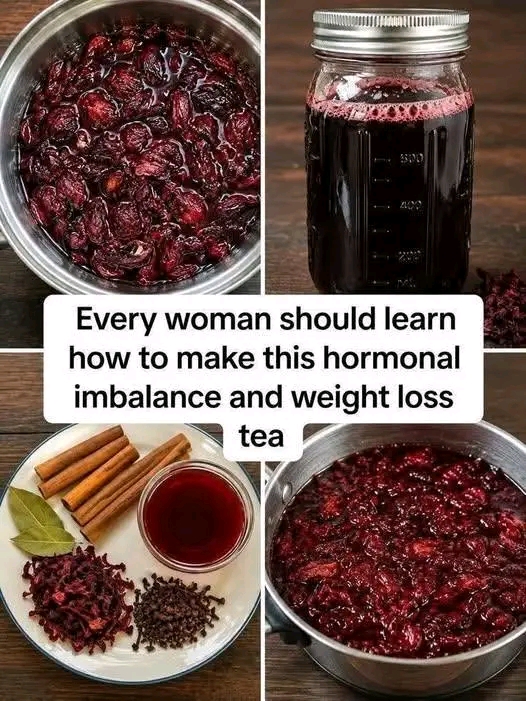
Hibiscus Tea Recipe for a Refreshing Herbal Drink
This recipe can be presented as a homemade hibiscus tea with cinnamon, cloves, and bay leaves. For an SEO-friendly food blog article, we can naturally include keywords such as hibiscus tea recipe, homemade herbal tea, caffeine-free drinks, healthy beverage ideas, and weight management drinks without promising that the tea treats hormonal imbalances or causes weight loss.
There is not enough evidence to claim that this drink balances hormones or produces significant weight loss.
Homemade Hibiscus Tea with Cinnamon, Cloves, and Bay Leaves: A Refreshing Herbal Drink
Homemade Hibiscus Tea with Cinnamon, Cloves, and Bay Leaves: A Refreshing Herbal Drink
Introduction
If you enjoy colorful homemade drinks with a rich flavor and a refreshing taste, this homemade hibiscus tea is a wonderful recipe to try.
Made with dried hibiscus flowers, aromatic cinnamon, cloves, and bay leaves, this ruby-red herbal infusion combines a naturally tart flavor with warm, spicy notes. It is simple to prepare on the stovetop and can be enjoyed warm or chilled over ice.
Hibiscus tea is a popular caffeine-free beverage enjoyed in many cultures around the world. It is often included in wellness routines because it provides a flavorful alternative to sugary drinks.
Although hibiscus tea has been studied for its possible effects on blood pressure, it should not be considered a treatment for hormonal imbalances or a guaranteed weight-loss solution. Sustainable weight management depends on a balanced diet, regular physical activity, sleep, and other individual health factors.
This easy hibiscus tea recipe is ideal for anyone looking to explore homemade herbal drinks using simple ingredients. Whether you serve it after a meal, enjoy it during a relaxing afternoon, or prepare a chilled pitcher for warm weather, it offers a delicious way to add variety to your daily beverage choices.
Recipe Overview
| Recipe Detail | Information |
|---|---|
| Recipe Name | Homemade Hibiscus Tea |
| Preparation Time | 5 minutes |
| Cooking Time | 15 minutes |
| Steeping Time | 5–10 minutes |
| Total Time | Approximately 25–30 minutes |
| Servings | 4 cups |
| Cuisine | International |
| Course | Beverage |
| Cooking Method | Stovetop |
| Main Ingredient | Dried hibiscus flowers |
| Flavor Profile | Tart, fruity, warm, and aromatic |
| Caffeine-Free | Yes, when made without caffeinated ingredients |
| Best Served | Warm or chilled |
| Difficulty | Easy |
Why You’ll Love This Recipe
This homemade hibiscus tea is easy to prepare, requires only a handful of ingredients, and delivers a beautiful deep-red color without artificial food coloring.
Its tart, cranberry-like flavor pairs naturally with cinnamon and cloves, while a bay leaf adds a subtle herbal aroma. You can adjust the strength of the tea to suit your taste, making it a flexible recipe for different preferences.
Another advantage is that this herbal infusion can be served in several ways. Enjoy it warm on a cool evening or refrigerate it for a refreshing iced beverage.
If you are trying to reduce added sugar, you can drink it unsweetened or add a small amount of honey or another sweetener if desired.
Compared with many sweetened commercial drinks, an unsweetened homemade version can be a useful option for reducing added sugar intake.
Hibiscus tea is also naturally caffeine-free and contains plant compounds, including anthocyanins, that contribute to its rich color. Research suggests hibiscus preparations may help modestly lower blood pressure in some people, but results vary, and the tea is not a substitute for prescribed medication or professional medical advice.
Ingredients
The following quantities make approximately four 1-cup servings.
Main Ingredients
| Ingredient | Quantity | Purpose |
|---|---|---|
| Dried hibiscus flowers | 1/2 cup (approximately 20–30 g) | Provides the ruby-red color and tart flavor |
| Water | 4 cups (960 ml) | Forms the base of the herbal infusion |
| Cinnamon stick | 1 medium stick | Adds warm, sweet-spicy notes |
| Whole cloves | 4–6 cloves | Contributes a fragrant, slightly spicy flavor |
| Bay leaf | 1 small leaf | Adds a subtle herbal aroma |
| Honey or preferred sweetener | 1–2 teaspoons, optional | Balances the tartness |
| Fresh lemon juice | 1–2 teaspoons, optional | Adds brightness and citrus flavor |
Note: Hibiscus flowers vary in strength, so the final color and flavor may differ depending on the variety and quantity used.
Equipment Needed
| Equipment | Purpose |
|---|---|
| Medium saucepan | For heating and steeping the ingredients |
| Measuring cup | For measuring water |
| Measuring spoons | For measuring spices and optional sweetener |
| Fine-mesh strainer | For removing flowers and spices |
| Heat-resistant pitcher or jar | For serving or refrigerating the tea |
| Spoon | For stirring |
Step-by-Step Instructions
Step 1: Prepare the Ingredients
Measure the dried hibiscus flowers, cinnamon stick, cloves, bay leaf, and water. Check that the hibiscus flowers are intended for food use, and discard any ingredients that look moldy, smell unusual, or appear contaminated.
If the dried flowers contain visible dust or debris, briefly rinse them in a fine-mesh strainer under cool running water and drain thoroughly.
Step 2: Bring the Water to a Gentle Boil
Pour 4 cups (960 ml) of water into a medium saucepan. Heat over medium-high heat until the water reaches a boil, usually about 5–8 minutes, depending on your stove and saucepan.
Once the water boils, reduce the heat slightly so it does not bubble too aggressively.
Step 3: Add the Hibiscus and Spices
Add the dried hibiscus flowers, cinnamon stick, cloves, and bay leaf to the hot water. Stir gently to help the flowers become submerged.
Reduce the heat to low and simmer gently for approximately 10–15 minutes. Keep the saucepan partially covered if desired, allowing enough space for steam to escape.
The water should gradually develop a deep red or burgundy color as the hibiscus releases its pigments and flavor.
Step 4: Allow the Tea to Steep
Turn off the heat and let the mixture steep for another 5 minutes. Taste a small amount once it has cooled sufficiently.
For a stronger, more tart tea, you can extend the steeping time by a few minutes. Avoid steeping excessively if you prefer a lighter flavor, as the spices may become too pronounced.
Step 5: Strain the Herbal Infusion
Place a fine-mesh strainer over a heat-resistant pitcher or bowl. Carefully pour the mixture through the strainer to remove the hibiscus flowers, cinnamon stick, cloves, and bay leaf.
Discard the solids after straining. Allow the liquid to cool slightly before adding any sweetener.
Step 6: Adjust the Flavor
Taste the tea and decide whether it needs any adjustments. Add 1–2 teaspoons of honey or your preferred sweetener if you want a less tart beverage. You can also add a little fresh lemon juice for a brighter citrus note.
Stir until the sweetener dissolves completely. For a lower-sugar beverage, leave out the sweetener altogether.
Step 7: Serve Warm or Chilled
For warm hibiscus tea, pour the infusion into heat-resistant cups and allow it to cool to a comfortable drinking temperature.
For iced hibiscus tea, let it cool and transfer it to a clean pitcher. Refrigerate promptly, then serve over ice with a lemon slice if desired.
You now have a homemade herbal tea with a vibrant color and a refreshing, balanced flavor.
Best Tips
Choose food-grade dried hibiscus flowers for the best flavor and quality. Hibiscus can be quite tart, so start with the suggested amount and adjust it according to your preferences. If you want a milder drink, reduce the flowers slightly or add more water after straining.
Keep the mixture at a gentle simmer rather than allowing it to boil vigorously for the entire cooking time. This helps you control evaporation and flavor extraction. Whole spices generally provide a smoother, more balanced aroma than large quantities of ground spices, which can make the finished tea cloudy or gritty.
If you plan to serve the tea cold, remember that chilling can make its tartness seem more noticeable. Taste it before refrigerating and adjust the flavor if needed. Avoid adding large quantities of sugar simply to mask the tartness; a little honey, a citrus slice, or extra water may be enough.
Use a clean, heat-resistant container when transferring the hot infusion. Do not pour boiling liquid into an unsuitable glass jar, and allow the tea to cool safely before refrigeration.
Best Ingredient Options
Dried hibiscus flowers: Whole dried hibiscus calyces are the traditional choice for this recipe. Look for food-grade products from a reputable supplier. Hibiscus tea bags can also work; follow their package directions and adjust the strength to taste.
Cinnamon: A whole cinnamon stick gives the infusion a gentle, warm flavor. Ceylon cinnamon is a suitable option if you drink cinnamon-containing beverages frequently, because it generally contains less coumarin than cassia cinnamon.
However, all spices should be used in culinary quantities rather than as concentrated medicinal preparations.
Cloves: Four to six whole cloves add a pleasant fragrance without overpowering the hibiscus. Reduce the amount if you prefer a lighter spice profile.
Bay leaf: One small culinary bay leaf is enough for the full batch. Remove it before serving and never blend it into the drink.
Sweetener: Honey, a little sugar, or a preferred sugar substitute can be used if desired. For people monitoring their sugar intake, unsweetened tea is a simple alternative.
Citrus: Lemon or orange slices can add a fresh aroma and complement the tart hibiscus flavor. Citrus is optional and can be omitted according to taste.
Recipe Variations
Iced Hibiscus Tea
Prepare the recipe as directed, strain it, and refrigerate until cold. Serve over ice with fresh lemon slices or a sprig of mint. This version is particularly refreshing in warm weather.
Hibiscus and Ginger Tea
Add two or three thin slices of fresh ginger to the saucepan along with the hibiscus and spices. Ginger introduces a warm, slightly peppery flavor that complements the tart infusion.
Hibiscus and Orange Tea
Add two strips of orange peel, avoiding as much of the bitter white pith as possible. Simmer with the other ingredients and remove the peel when straining. The orange aroma creates a fruity variation without requiring much additional sweetener.
Mild Cinnamon Hibiscus Tea
Use half the amount of hibiscus flowers and simmer with one small cinnamon stick. This produces a lighter, less tart infusion for those who prefer a gentler flavor.
Naturally Unsweetened Herbal Tea
Skip the honey and sugar completely. Add a small amount of lemon juice or a few mint leaves after straining for extra flavor. This option works well for people who want to reduce added sugars in their everyday drinks.
What to Serve With
Hibiscus tea pairs well with light breakfasts such as oatmeal, whole-grain toast, fresh fruit, or plain yogurt. Its tart flavor also complements simple afternoon snacks, including unsalted nuts, homemade crackers, and lightly sweetened baked goods.
For a savory meal, serve the tea chilled alongside grilled vegetables, rice dishes, chicken, or fish. If you are planning a brunch or family gathering, a pitcher of iced hibiscus tea can be an attractive caffeine-free alternative to soda or other sweetened beverages.
You can also serve it after a meal as a flavorful drink. However, it should not be presented as a detox beverage or a treatment for digestive problems, and individual tolerance may vary.
Make-Ahead Instructions
Hibiscus tea is convenient to prepare in advance. Make a batch, strain it, and allow it to cool before transferring it to a clean, covered, food-safe container.
Refrigerate the tea promptly rather than leaving it at room temperature for an extended period. When you are ready to serve it, stir the liquid gently and pour it into glasses over ice or reheat an individual portion if you prefer a warm drink.
For the best flavor, prepare only the quantity you expect to use within the next few days. If you are serving guests, keep the tea refrigerated until serving time and avoid repeatedly leaving the pitcher out on the counter.
Storage
Store leftover hibiscus tea in a clean, covered container in the refrigerator at 4°C (40°F) or below. For best quality, consume it within 3–4 days.
Do not leave the tea at room temperature for more than two hours, or more than one hour when the surrounding temperature is above 32°C (90°F). Discard it if you notice mold, an unusual smell, unexpected fermentation, or other signs of spoilage.
For food safety, use a clean utensil when serving and avoid drinking directly from the storage container.
Reheating
If you prefer warm hibiscus tea, pour one serving into a small saucepan and heat it gently over low to medium heat until steaming. Stir occasionally and remove it from the heat before it reaches a vigorous boil.
You can also microwave an individual serving in a microwave-safe cup using short heating intervals, stirring between intervals. Check the temperature before drinking to avoid burns.
Reheat only the amount you intend to consume. Avoid repeatedly warming and cooling the entire batch.
Freezing
Freezing is optional, but it can be useful if you have more tea than you can drink within a few days.
Allow the strained tea to cool, then pour it into freezer-safe containers, leaving room for expansion. Alternatively, freeze it in ice-cube trays and transfer the frozen cubes to a suitable freezer bag or container.
Label the container with the date and use the frozen tea within approximately 2–3 months for good flavor. Thaw it in the refrigerator and consume it promptly. You can also add the frozen cubes directly to a glass of water for a gradually flavored drink.
Do not freeze tea in a sealed glass container unless the container is specifically designed for freezing.
Common Mistakes to Avoid
Using too many hibiscus flowers: A concentrated infusion can become extremely tart. Start with the recommended quantity and adjust it in later batches rather than adding a large amount immediately.
Overpowering the tea with spices: Cinnamon, cloves, and bay leaves should complement the hibiscus rather than dominate it. Measure the spices carefully, especially if you are unfamiliar with their flavor.
Adding sweetener before tasting: Hibiscus naturally has a sharp, fruity flavor. Taste the strained tea first so you can decide whether any sweetener is necessary.
Ignoring ingredient quality: Flowers that are not intended for consumption may not be suitable for preparing beverages. Always choose food-grade hibiscus from a reliable source.
Leaving the tea unrefrigerated for too long: Homemade beverages can spoil even when they contain spices. Refrigerate the finished tea promptly in a clean container.
Treating the tea as a hormone-balancing remedy: There is insufficient evidence that this particular recipe corrects hormonal imbalances, treats thyroid disorders, regulates menstrual cycles, or causes substantial weight loss. Persistent symptoms deserve an appropriate medical evaluation.
Using the tea instead of prescribed treatment: Hibiscus may lower blood pressure in some people and could interact with certain medicines. Anyone taking blood pressure medication or other regular medication should check with a healthcare professional before drinking it regularly for a health-related purpose.
Nutrition Estimate
The following estimates are for one serving, assuming the recipe makes four servings and contains no honey, sugar, or other sweeteners.
| Nutrient | Approximate Amount per Serving |
|---|---|
| Calories | 2–5 kcal |
| Carbohydrates | Less than 1 g |
| Protein | 0 g |
| Fat | 0 g |
| Fiber | 0 g |
| Added Sugar | 0 g |
| Caffeine | 0 mg |
These figures are estimates rather than laboratory measurements. The nutritional content varies with the ingredients, the amount extracted during brewing, and the serving size. Adding honey or sugar will increase the calorie and carbohydrate content.
Frequently Asked Questions
1. What is hibiscus tea?
Hibiscus tea is an herbal infusion prepared from the dried calyces of hibiscus flowers, commonly Hibiscus sabdariffa. It has a distinctive red color and a tart, fruity taste. It can be enjoyed hot or cold.
2. Can hibiscus tea help with weight loss?
Hibiscus tea is not a proven weight-loss treatment. Unsweetened tea is low in calories and may replace higher-calorie sugary beverages, which can support an overall calorie-conscious eating plan. Meaningful weight management generally requires sustainable dietary and lifestyle changes.
3. Does hibiscus tea balance hormones?
There is insufficient reliable clinical evidence that hibiscus tea balances hormones or treats hormonal disorders. If you have irregular periods, unexplained weight changes, persistent fatigue, or other symptoms that concern you, consult a qualified healthcare professional rather than relying on herbal tea.
4. Can hibiscus tea lower blood pressure?
Some clinical studies suggest hibiscus preparations may modestly lower blood pressure in certain people. However, results vary, and this drink is not a replacement for prescribed treatment. People with low blood pressure or those taking blood pressure medication should seek medical advice before using it regularly.
5. How often can I drink hibiscus tea?
There is no universally established daily amount that is appropriate for everyone. Your tolerance, health status, medications, and the strength of the infusion all matter. If you want to drink it regularly for a health-related purpose, ask your healthcare professional about a suitable amount.
6. Is hibiscus tea caffeine-free?
Yes. A tea made exclusively from hibiscus flowers, cinnamon, cloves, bay leaves, and water is naturally caffeine-free. Avoid mixing it with caffeinated tea leaves if you want to keep the beverage caffeine-free.
7. Can I drink hibiscus tea during pregnancy?
Safety information about medicinal or concentrated hibiscus preparations during pregnancy and breastfeeding is limited. It is prudent to consult your healthcare professional before using hibiscus tea regularly for medicinal or wellness purposes during these periods.
8. Can I drink hibiscus tea without sweetener?
Absolutely. Unsweetened hibiscus tea has a naturally tart flavor and contains very few calories. If you find it too sharp, add more water, a little citrus, or a small amount of sweetener according to your preferences.
9. Can I use fresh hibiscus flowers instead of dried ones?
Fresh flowers may be suitable if they are an edible hibiscus variety and have been correctly identified and grown for food use. Their water content and flavor differ from dried flowers, so the quantities may need adjustment. When in doubt, choose food-grade dried hibiscus from a reputable supplier.
10. Is this tea a detox drink?
The body already has systems, including the liver and kidneys, that process and eliminate waste. Hibiscus tea has not been established as a detoxification treatment. It is best enjoyed as a flavorful beverage rather than as a product promising to remove toxins.
Final Thoughts
Homemade hibiscus tea with cinnamon, cloves, and bay leaves is a simple, colorful, and flavorful beverage that can be enjoyed warm or chilled. With its naturally tart taste, aromatic spices, and low calorie content when unsweetened, it offers an appealing alternative to many sugary drinks.
The recipe is easy to customize with lemon, orange, ginger, or a small amount of sweetener. Prepare a batch for a relaxing afternoon, serve it at brunch, or keep a chilled pitcher in the refrigerator for a refreshing drink throughout the day.
Although hibiscus tea has attracted scientific interest for its possible effects on blood pressure, it should not be promoted as a cure for hormonal imbalances, a guaranteed weight-loss solution, or a replacement for medical care. Enjoy it as part of a varied diet and a balanced lifestyle, and seek professional advice if you have a medical condition, take medication, or have concerns about whether this beverage is suitable for you.
⚠️This recipe may not be suitable for everyone, so it is advisable to consult a doctor.


