Soursop Leaf Tea: A Simple Herbal Infusion and What the Evidence Really Says
Introduction
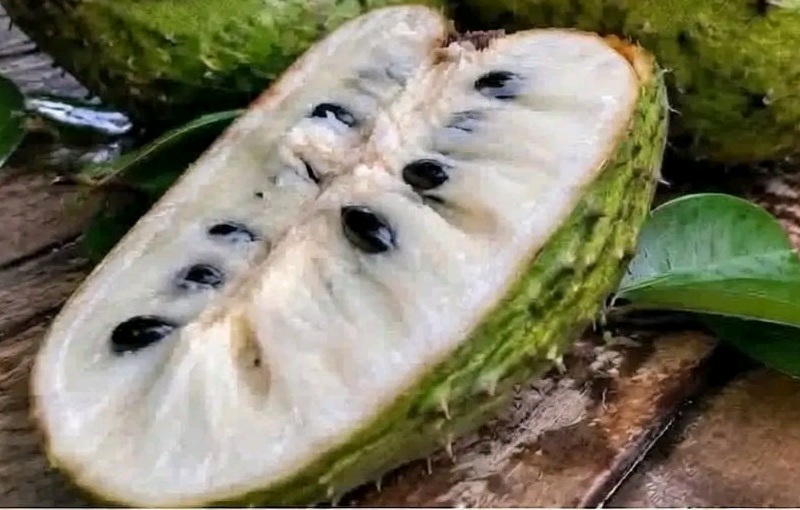
Soursop, also known as graviola or Annona muricata, is a tropical fruit tree whose leaves have traditionally been prepared as herbal tea.
A popular social-media claim suggests that boiling 10 soursop leaves for seven minutes can “eliminate cancer cells” and improve poor circulation, swollen feet, and blood sugar.
That claim needs an important correction. Soursop leaf tea has not been proven in human clinical studies to eliminate cancer cells or treat cancer, swollen feet, poor circulation, or diabetes.
Laboratory and animal research has investigated compounds in soursop, but these findings cannot be treated as proof that a homemade tea is an effective medical treatment.
Memorial Sloan Kettering Cancer Center specifically notes that clinical evidence supporting graviola as a cancer treatment is lacking.
This article therefore presents soursop leaf tea as a traditional herbal infusion, rather than a proven cancer treatment or substitute for medical care.
Recipe Overview
| Category | Details |
|---|---|
| Recipe | Soursop Leaf Tea |
| Main ingredient | Fresh soursop leaves |
| Preparation | Gentle boiling/infusion |
| Preparation time | About 5 minutes |
| Cooking time | About 7 minutes |
| Total time | About 12 minutes |
| Yield | Approximately 2 cups |
| Flavor | Mild, earthy and herbal |
| Best served | Warm |
| Difficulty | Easy |
Why You’ll Love This Recipe
Soursop leaf tea is simple to prepare and requires only a few basic ingredients. It can be enjoyed as a warm herbal beverage without complicated equipment or preparation techniques.
The leaves come from the same tropical plant that produces soursop fruit, also called graviola or guanabana.
Soursop contains numerous naturally occurring plant compounds that have been investigated in laboratory research, although the clinical benefits of drinking soursop leaf tea remain uncertain.
If you enjoy traditional herbal teas, this recipe provides an easy way to prepare a small batch while keeping the preparation straightforward.
Ingredients
Main Ingredients
| Ingredient | Amount |
|---|---|
| Fresh soursop leaves | 10 leaves |
| Water | 4 cups (960 ml) |
Optional Ingredients
| Ingredient | Amount |
|---|---|
| Fresh ginger | 2–3 thin slices |
| Lemon | 1–2 slices |
| Honey | 1 teaspoon per cup, optional |
The optional ingredients are included for flavor rather than as treatments for any medical condition.
Step-by-Step Instructions
1. Wash the leaves
Rinse the soursop leaves thoroughly under cool running water to remove visible dirt and debris.
2. Prepare the water
Place 4 cups of water in a saucepan and bring it to a gentle boil.
3. Add the leaves
Add the washed soursop leaves to the hot water. Reduce the heat so the mixture maintains a gentle simmer rather than a vigorous boil.
4. Simmer for about 7 minutes
Allow the leaves to simmer gently for approximately 7 minutes. There is no good clinical evidence establishing seven minutes as a medically effective extraction time; this timing simply follows the preparation shown in the popular recipe claim.
5. Strain
Remove the saucepan from the heat and strain the liquid through a fine-mesh strainer.
6. Serve
Pour the tea into cups and allow it to cool to a comfortable drinking temperature. Lemon, ginger, or a small amount of honey can be added for flavor.
Best Tips
Choose clean, healthy-looking leaves and wash them thoroughly before preparation. Avoid leaves that appear moldy, damaged, chemically treated, or contaminated.
Keep the preparation relatively simple. Because the concentration of plant compounds can vary according to the plant, growing conditions, preparation method, and plant part used, a homemade tea should not be treated as a standardized medicinal product.
Most importantly, do not use soursop leaf tea as a replacement for prescribed medication, cancer treatment, diabetes treatment, or evaluation of unexplained swelling.
Best Ingredient Options
Fresh soursop leaves are the traditional choice for this preparation.
If you are purchasing leaves, choose a reputable source and make sure the plant has been correctly identified as Annona muricata.
Filtered drinking water is preferable when available because it allows the herbal flavor to remain clean and mild.
Fresh ginger and lemon can be used when you want a more pleasant-tasting herbal drink, but they do not turn the tea into a medical treatment.
Recipe Variations
Ginger Soursop Leaf Tea
Add two or three thin slices of fresh ginger while the leaves are simmering. This produces a warmer, spicier flavor.
Lemon Soursop Leaf Tea
Add fresh lemon after straining rather than boiling the lemon. This gives the finished drink a brighter citrus flavor.
Chilled Herbal Tea
Allow the strained tea to cool, refrigerate it promptly, and serve it chilled. This can make the herbal flavor more refreshing during warm weather.
What to Serve With
Soursop leaf tea can be served on its own or alongside a light breakfast or snack. Fresh fruit, whole-grain toast, oatmeal, or a small sandwich can complement the mild herbal flavor.
If you are drinking it as part of your regular diet, think of it as a beverage rather than a therapeutic treatment.
Make-Ahead Instructions
For best flavor, prepare the tea fresh. If you need to make it ahead, prepare the infusion, strain it, allow it to cool, and refrigerate it promptly in a clean covered container.
Avoid preparing very concentrated batches simply to store them for several days.
Storage
Store prepared tea in a clean, covered container in the refrigerator and use it promptly. Discard it if it develops an unusual smell, appearance, or taste.
Fresh leaves should also be kept refrigerated and used relatively soon after purchase or harvesting.
Reheating
Reheat only the amount you intend to drink. Warm the tea gently on the stovetop or in a microwave-safe container.
There is no established medical advantage to repeatedly boiling or concentrating soursop leaf tea.
Freezing
Freezing is not necessary for this simple herbal infusion. If you choose to freeze it, place the cooled tea in a freezer-safe container, leaving room for expansion.
Thaw it in the refrigerator and use it promptly after thawing.
Common Mistakes to Avoid
Treating soursop tea as a cancer cure
This is the biggest misconception associated with the recipe. Laboratory research has identified potentially interesting compounds in soursop, but laboratory activity is not the same as demonstrating a cancer treatment in humans. There is currently no clinical evidence that soursop leaf tea eliminates cancer cells in people.
Assuming it will control blood sugar
Some animal research suggests that graviola may lower blood glucose, but that does not establish that soursop tea safely treats diabetes in humans. It could potentially interact with medicines that lower blood sugar.
Ignoring unexplained swollen feet
Swollen feet can have many possible causes. Rather than attempting to treat persistent swelling with herbal tea, the underlying cause should be evaluated by a healthcare professional.
Drinking concentrated preparations regularly
Soursop contains acetogenins, including annonacin, and researchers have raised concerns about potential neurotoxicity.
The European Food Safety Authority’s risk assessment concluded that there are substantial uncertainties regarding the safe use of Annona muricata supplements and that available evidence does not allow a safe intake level to be established.
Combining it casually with medications
Graviola may affect blood sugar and blood pressure and could potentially interact with medications.
Anyone taking prescription medicines should discuss its use with a healthcare professional before consuming it regularly.
Nutrition Estimate
Because this recipe primarily consists of water infused with plant leaves, its nutritional contribution is expected to be very small and can vary considerably depending on preparation.
| Nutrient | Estimated Amount per Cup |
|---|---|
| Calories | Very low |
| Protein | Negligible |
| Fat | Negligible |
| Carbohydrates | Very low |
| Fiber | Minimal |
| Added sugar | 0 g |
These values are approximate rather than laboratory-tested nutrition data.
Frequently Asked Questions
Does soursop leaf tea kill cancer cells?
There is no good evidence that drinking soursop leaf tea eliminates cancer cells in humans. Research into soursop compounds includes laboratory and animal studies, but clinical evidence for using graviola as a cancer treatment is lacking.
Can soursop leaf tea lower blood sugar?
Animal research has suggested a blood-glucose-lowering effect, but this has not established soursop leaf tea as a safe or effective diabetes treatment in humans.
It may also create concerns when combined with blood-sugar-lowering medication.
Can it improve poor circulation?
There is insufficient clinical evidence to recommend soursop leaf tea as a treatment for poor circulation.
Can soursop tea reduce swollen feet?
Soursop leaf tea should not be relied upon to treat unexplained swelling.
Persistent or sudden swelling deserves appropriate medical assessment because the cause may require specific treatment.
Is soursop leaf tea completely safe because it is natural?
No. “Natural” does not automatically mean risk-free. Soursop contains biologically active compounds, and concerns have been raised about potential neurotoxicity, particularly with prolonged or concentrated exposure.
Can I drink it while taking medication?
Talk with your doctor or pharmacist first, particularly if you take medication for diabetes, high blood pressure, cancer, or other chronic conditions. Graviola may affect blood sugar and blood pressure and may interact with some medicines.
Is this recipe a substitute for cancer treatment?
No. Anyone diagnosed with cancer should follow the treatment plan recommended by their oncology team and should not replace evidence-based treatment with soursop tea.
⚠️ Important Safety Note
This recipe may not be suitable for everyone, so it is advisable to consult a doctor.
This is especially important for people who are pregnant or breastfeeding, children, people taking prescription medication, people with chronic medical conditions, and anyone considering soursop products for cancer, diabetes, blood pressure, circulation problems, or persistent swelling.
Final Thoughts
Soursop leaf tea is a traditional herbal beverage with a simple preparation, but the viral claim that 10 soursop leaves boiled for seven minutes can eliminate cancer cells, improve circulation, reduce swollen feet, or control blood sugar is not supported by adequate human clinical evidence.
Soursop and its naturally occurring compounds remain subjects of scientific research, but promising laboratory findings should not be confused with proven medical benefits. There are also unresolved safety questions surrounding concentrated or long-term use.
For a food-blog article, the safest and most accurate approach is therefore to present this as a traditional soursop leaf tea recipe, while clearly distinguishing traditional use from scientifically established health benefits.
SEO Keywords Naturally Covered
soursop leaf tea, soursop tea recipe, graviola tea, soursop leaves, herbal tea, natural wellness, blood sugar, blood pressure, cancer treatment, cancer prevention, diabetes management, circulation, swollen feet, herbal remedies, natural health, healthy drinks, traditional medicine, soursop benefits, soursop leaf benefits, herbal medicine safety.
These keywords can help the article target health and wellness searches, but medical claims should remain evidence-based rather than being exaggerated for SEO or advertising revenue.