Onion Tea Recipe: A Simple Homemade Drink for Immune Support
Introduction
Onion tea is a simple homemade beverage made by gently simmering fresh onion in water and serving the strained liquid warm.
It has a naturally savory, slightly sweet flavor and can be enhanced with ingredients such as ginger, lemon, cinnamon, or honey.
Onions are naturally rich in sulfur-containing compounds and antioxidants, including quercetin.
Because of this, onions are often included in discussions about immune support, heart health, antioxidant-rich foods, healthy blood pressure, and blood sugar management.
However, onion tea should be viewed as a food or traditional beverage rather than a treatment for a medical condition.
This easy onion tea recipe requires only a few basic ingredients and takes about 15–20 minutes to prepare.
It can be enjoyed warm, particularly during cold weather or whenever you want a soothing homemade drink.
⚠️ This recipe may not be suitable for everyone, so it is advisable to consult a doctor.
Recipe Overview
| Category | Details |
|---|---|
| Recipe | Onion Tea |
| Preparation Time | 5 minutes |
| Cooking Time | 10–15 minutes |
| Total Time | 15–20 minutes |
| Servings | 2 cups |
| Difficulty | Easy |
| Cuisine | Homemade / Traditional |
| Main Ingredient | Fresh onion |
| Best Served | Warm |
| Approx. Calories | 15–30 calories per cup, before optional sweetener |
Why You’ll Love This Recipe
This onion tea recipe is inexpensive, simple, and requires very little preparation. You can make it with an ordinary yellow, white, or red onion, making it an accessible option when you want a warm homemade beverage without complicated ingredients.
The gentle simmering process creates a mild onion flavor rather than the sharp taste of raw onion.
Adding fresh ginger, lemon, or a small amount of honey can make the drink more pleasant while adding complementary flavors.
For people interested in healthy eating, antioxidant-rich foods, immune-supporting foods, heart-healthy ingredients, and natural wellness recipes, onion tea can be an interesting addition to an overall balanced diet.
Ingredients
Main Ingredients
| Ingredient | Amount |
|---|---|
| Medium onion | 1 |
| Water | 2½ cups (600 ml) |
Optional Flavor Ingredients
| Ingredient | Amount | Purpose |
|---|---|---|
| Fresh ginger | 1-inch piece, sliced | Adds warmth and spice |
| Lemon juice | 1–2 teaspoons | Adds brightness |
| Honey | 1–2 teaspoons | Adds sweetness |
| Cinnamon stick | 1 small stick | Adds a warm flavor |
| Turmeric | ¼ teaspoon | Adds earthy flavor and color |
| Black pepper | Small pinch | Optional seasoning |
Tip: If you are using honey, allow the tea to cool slightly before adding it.
Step-by-Step Instructions
1. Prepare the onion
Peel one medium onion and rinse it under cool running water. Cut it into quarters or thick slices.
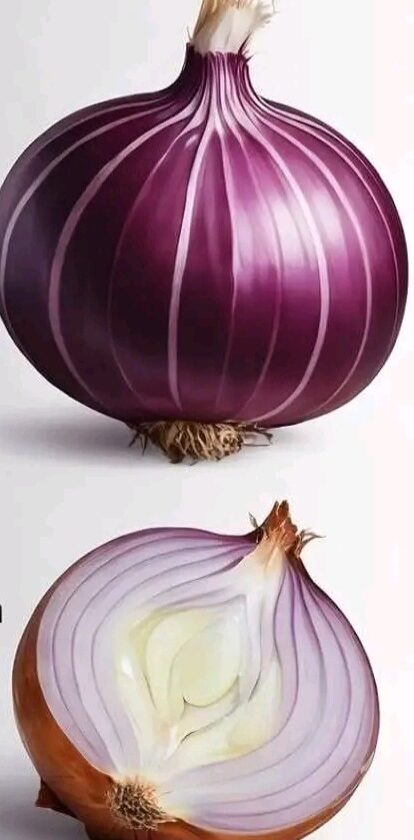
Red, yellow, and white onions can all be used. Red onions will produce a deeper color and somewhat stronger flavor.
2. Add the water
Pour 2½ cups (600 ml) of water into a small saucepan and add the prepared onion.
If you are using ginger or a cinnamon stick, add them at this stage.
3. Bring to a gentle boil
Place the saucepan over medium-high heat and bring the water to a gentle boil.
Once it begins boiling, reduce the heat to low.
4. Simmer
Allow the mixture to simmer uncovered for approximately 10–15 minutes.
Avoid aggressively boiling the tea because gentle simmering is sufficient to infuse the water with flavor.
5. Strain
Remove the saucepan from the heat. Carefully strain the liquid through a fine-mesh strainer into a heat-resistant cup or teapot.
Discard the cooked onion pieces or reserve them for another dish if desired.
6. Add optional ingredients
For a brighter flavor, stir in 1–2 teaspoons of fresh lemon juice.
If you prefer sweetness, add 1–2 teaspoons of honey after the tea has cooled slightly.
7. Serve warm
Serve the onion tea warm. If you prefer a chilled beverage, allow it to cool and refrigerate it before serving over ice.
Best Tips
Use a fresh, firm onion for the cleanest flavor. Onions that are soft, moldy, or noticeably spoiled should not be used.
Keep the heat low after the water reaches a boil. A gentle simmer produces a more pleasant infusion and prevents unnecessary evaporation.
If the onion flavor is too strong, dilute the finished tea with a little additional hot water. Ginger, lemon, and a small amount of honey can also balance the savory flavor.
For the best taste, prepare onion tea fresh rather than making an extremely concentrated batch.
Best Ingredient Options
Yellow onions are an excellent all-purpose choice because they have a balanced savory and slightly sweet flavor.
Red onions provide a stronger flavor and attractive color. They are also a popular choice when preparing recipes featuring antioxidant-rich foods.
White onions have a cleaner, sharper flavor and can produce a lighter-colored tea.
Fresh ginger is one of the best additions if you want a warmer and more aromatic beverage.
Fresh lemon juice provides acidity that helps cut through the onion flavor.
Honey works well when you want a naturally sweetened drink, although it does add calories and sugar.
Recipe Variations
Ginger Onion Tea
Add 1 inch of thinly sliced fresh ginger while simmering the onion. The ginger adds warmth and makes the flavor more complex.
Lemon Onion Tea
Prepare the basic recipe and add 1–2 teaspoons of fresh lemon juice immediately before serving.
Honey Onion Tea
Add 1–2 teaspoons of honey to the warm—not boiling—tea. Adjust the amount according to your preferred sweetness.
Cinnamon Onion Tea
Add one small cinnamon stick during the simmering process. This creates a warmer, more aromatic version.
Turmeric Onion Tea
Add ¼ teaspoon of ground turmeric during cooking. Stir thoroughly before serving.
What to Serve With
Onion tea is best served as a light beverage alongside a simple breakfast or snack. It can pair particularly well with whole-grain toast, oatmeal, fruit, vegetable soup, roasted vegetables, or a light sandwich.
Because the beverage has a savory flavor, it can also work well alongside meals featuring grilled vegetables, lentils, beans, chicken, or whole grains.
Make-Ahead Instructions
For convenience, you can prepare onion tea several hours ahead of time.
Prepare the tea according to the recipe, strain it, and allow it to cool. Transfer it to a clean, covered container and refrigerate promptly.
For the best flavor, consume refrigerated onion tea within 1–2 days.
Storage
Store leftover onion tea in a sealed glass container in the refrigerator.
Do not leave the finished beverage sitting at room temperature for extended periods. When in doubt about its freshness, discard it.
Reheating
Pour the desired amount into a small saucepan or microwave-safe cup.
If using a saucepan, warm over low to medium heat until comfortably hot. Avoid prolonged boiling.
If using a microwave, heat in short intervals and stir between intervals to distribute the temperature evenly.
Freezing
Onion tea can technically be frozen, although freezing is not necessary for such a quick recipe.
If you want to freeze it, allow the tea to cool completely and place it in a freezer-safe container, leaving room for expansion.
Thaw it in the refrigerator and gently reheat before serving.
For the best flavor and texture, freshly prepared onion tea is preferable.
Common Mistakes to Avoid
Boiling the onion aggressively can create a stronger, less pleasant flavor. Keep the mixture at a gentle simmer.
Using too much onion can make the tea overwhelmingly savory. One medium onion for approximately 2½ cups of water provides a reasonable starting point.
Adding too much honey can turn a light beverage into a high-sugar drink. Start with a small amount and adjust.
Expecting onion tea to treat illness is another common mistake. Although onions contain beneficial nutrients and plant compounds, onion tea is not a substitute for medical treatment, prescribed medication, or professional dietary advice.
Ignoring food safety is also important. Refrigerate leftovers promptly and discard anything that develops an unusual smell, appearance, or taste.
Nutrition Estimate
The following is an approximate estimate for one cup of onion tea without honey. Actual values vary depending on the onion size and how much of the soluble compounds remain in the strained liquid.
| Nutrient | Approximate Amount |
|---|---|
| Calories | 15–30 kcal |
| Carbohydrates | 3–7 g |
| Protein | Less than 1 g |
| Fat | Less than 1 g |
| Fiber | Very little after straining |
| Sugar | 1–3 g |
| Sodium | Very low |
Adding honey will increase the calorie and sugar content.
Frequently Asked Questions
What is onion tea?
Onion tea is a homemade infusion prepared by simmering chopped or sliced onion in water and then straining the liquid.
It can be served plain or combined with ginger, lemon, cinnamon, or honey.
Is onion tea good for the immune system?
Onions contain vitamin C and antioxidant compounds such as quercetin, which contribute to a nutritious diet. However, there is not enough evidence to say that onion tea itself prevents or cures infections. It is better considered part of an overall healthy eating pattern.
Can I drink onion tea every day?
For most healthy adults, an occasional cup of onion tea as a food beverage is generally reasonable. However, individual dietary needs differ, particularly for people taking medications or managing a medical condition. Consult your doctor or registered dietitian if you are unsure whether it is appropriate for you.
Does onion tea lower blood pressure?
Onions contain compounds that have been studied in relation to cardiovascular health, but onion tea should not be considered a proven treatment for high blood pressure.
Anyone with hypertension should follow their healthcare professional’s treatment and lifestyle recommendations.
Can onion tea help with blood sugar?
Onions are commonly included in balanced diets for people interested in blood sugar management, but onion tea should not be used to lower blood glucose or replace diabetes medication.
Can I use red onion?
Yes. Red onion works particularly well and gives the tea a deeper color and stronger flavor.
Can I add ginger and lemon?
Absolutely. Ginger and lemon are two of the easiest ways to make the flavor more enjoyable. Add the lemon juice after cooking for a fresher taste.
Is onion tea a detox drink?
Although onion tea is sometimes marketed online as a « detox » beverage, the body already has sophisticated systems, particularly the liver and kidneys, for processing and eliminating waste.
Onion tea should not be promoted as a medical detox treatment.
Is onion tea suitable for everyone?
No food or homemade beverage is suitable for everyone. People with allergies, dietary restrictions, digestive sensitivities, or medical conditions should consider speaking with a healthcare professional before adding unfamiliar remedies or concentrated preparations to their routine.
Final Thoughts
This easy onion tea recipe is a simple way to turn an everyday kitchen ingredient into a warm homemade beverage.
With only onion and water as the foundation, you can customize it with ginger, lemon, cinnamon, or honey according to your taste.
Onions can be part of a balanced diet because they provide plant compounds and antioxidants.
However, the strongest approach to heart health, healthy blood pressure, blood sugar management, immune support, and overall wellness is a nutritious diet, regular physical activity, adequate sleep, and appropriate medical care—not a single drink.
⚠️ This recipe may not be suitable for everyone, so it is advisable to consult a doctor.