Quick Pickled Shallots with Garlic & Herbs
Introduction
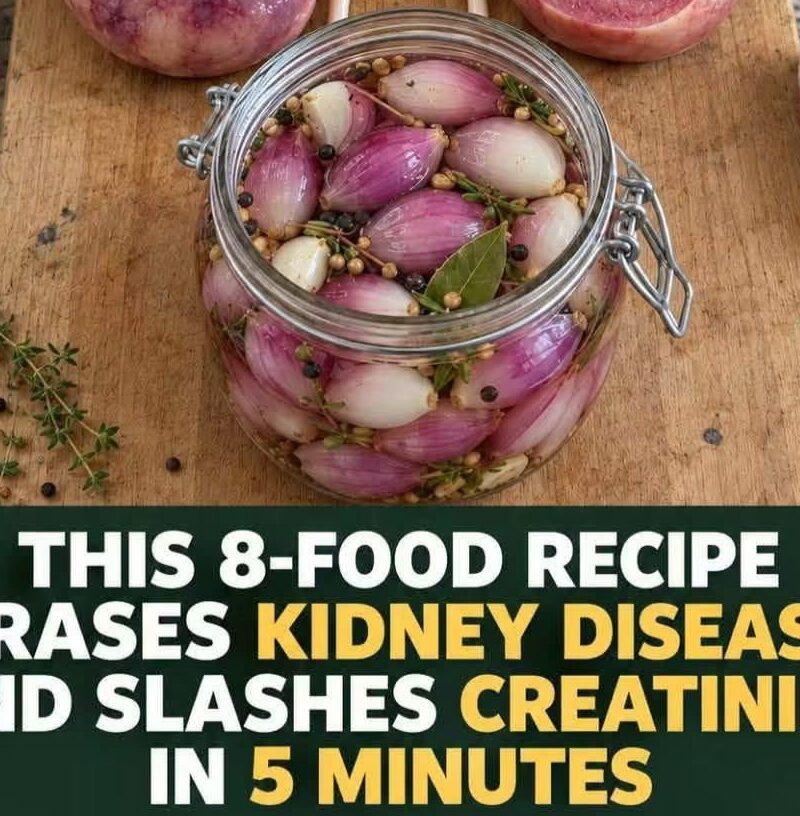
This colorful jar of pickled shallots is a simple homemade condiment made with fresh shallots, garlic, vinegar, herbs, and aromatic spices.
It delivers a bright, tangy flavor with a gentle sweetness and works beautifully alongside sandwiches, salads, grilled meats, roasted vegetables, and grain bowls.
The image accompanying this recipe makes a medical claim that this food can “erase kidney disease” and rapidly lower creatinine.
That claim is not supported by medical evidence. Creatinine is a blood test used to help assess kidney function, and chronic kidney disease requires appropriate medical evaluation and management.
For that reason, this recipe is presented as a delicious pickled-food recipe—not as a treatment for kidney disease or high creatinine.
People with chronic kidney disease may also have individualized sodium, potassium, phosphorus, fluid, or protein requirements, so dietary changes should be discussed with a healthcare professional or kidney dietitian.
Recipe Overview
| Category | Details |
|---|---|
| Recipe Name | Quick Pickled Shallots with Garlic & Herbs |
| Prep Time | 10 minutes |
| Pickling Time | 30–60 minutes |
| Total Time | About 1 hour |
| Yield | About 2 cups |
| Difficulty | Easy |
| Cuisine | Homemade Condiment |
| Flavor | Tangy, lightly sweet, aromatic |
| Best Served | Chilled |
| Storage | Refrigerator |
Why You’ll Love This Recipe
These quick pickled shallots are an easy way to add acidity, color, and crunch to everyday meals. The vinegar balances the natural sweetness of the shallots while garlic, peppercorns, coriander seeds, thyme, and bay leaf create a more complex flavor.
The recipe is also convenient for meal preparation. Once the jar is prepared, you can keep it refrigerated and use small portions throughout the week. It is especially useful when you want to make homemade condiments rather than relying on heavily processed sauces.
Ingredients
Pickled Shallots
| Ingredient | Amount |
|---|---|
| Small shallots, peeled | 8–10 |
| Fresh garlic cloves | 3 |
| White vinegar or apple cider vinegar | 1 cup (240 ml) |
| Water | ½ cup (120 ml) |
| Granulated sugar | 1 tablespoon |
| Salt | 1 teaspoon |
| Black peppercorns | 1 teaspoon |
| Coriander seeds | 1 teaspoon |
| Fresh thyme | 2–3 sprigs |
| Bay leaf | 1 |
Optional Additions
| Ingredient | Amount |
|---|---|
| Red pepper flakes | ¼ teaspoon |
| Mustard seeds | ½ teaspoon |
| Fresh dill | 1 small sprig |
| Lemon peel | 1–2 small strips |
Food-safety note: This is a refrigerator pickle, not a shelf-stable canning recipe. Keep it refrigerated and do not store it at room temperature.
Step-by-Step Instructions
1. Prepare the Shallots
Peel the shallots and trim away the root ends. If they are large, cut them in half so they pickle more quickly and evenly.
Leave very small shallots whole if preferred.
2. Prepare the Garlic and Spices
Lightly crush the garlic cloves.
Measure the peppercorns, coriander seeds, thyme, and bay leaf. These aromatics will infuse the vinegar mixture with a savory, herbal flavor.
3. Pack the Jar
Place the shallots and garlic into a clean glass jar.
Add the peppercorns, coriander seeds, thyme, and bay leaf between the shallots.
Do not pack the jar so tightly that the pickling liquid cannot circulate.
4. Make the Pickling Liquid
Add the vinegar, water, sugar, and salt to a small saucepan.
Heat over medium heat until the mixture reaches a gentle simmer, stirring occasionally until the sugar and salt dissolve.
This should take approximately 3–5 minutes.
5. Pour Over the Shallots
Carefully pour the hot pickling liquid into the jar until the shallots are completely covered.
Leave approximately ½ inch (1–1.5 cm) of space at the top.
6. Cool
Allow the jar to cool uncovered at room temperature for approximately 20–30 minutes.
Once it has cooled, close the jar tightly.
7. Refrigerate
Place the jar in the refrigerator.
The shallots will develop more flavor as they sit. They can be tasted after about 30–60 minutes, but the flavor will generally be better after several hours.
For the best texture and flavor, allow them to pickle overnight.
Best Tips
Use fresh, firm shallots for the best texture. Very soft or damaged shallots can become mushy during pickling.
Do not boil the vinegar mixture aggressively. A gentle simmer is enough to dissolve the sugar and salt while keeping the preparation simple.
For a beautiful pink color, red or purple shallots are especially attractive. The vinegar will naturally intensify their color as they pickle.
Always use a clean utensil when removing shallots from the jar. Keeping the jar refrigerated and minimizing contamination helps maintain quality.
Best Ingredient Options
Shallots
Small red, purple, or golden shallots all work well. Smaller shallots can be kept whole, while larger ones should be sliced or halved.
Vinegar
White vinegar gives the sharpest, cleanest flavor. Apple cider vinegar creates a slightly fruitier and more rounded pickle.
Herbs
Fresh thyme works beautifully, but dill, oregano, or a small amount of rosemary can also be used.
Spices
Black peppercorns and coriander seeds create a classic aromatic combination. Mustard seeds can be added for additional complexity.
Recipe Variations
For a spicy version, add a small amount of red pepper flakes or a sliced fresh chili pepper. This creates a sharper condiment that works particularly well with grilled foods and sandwiches.
For a sweeter version, increase the sugar slightly. Alternatively, use apple cider vinegar instead of white vinegar for a softer, fruitier flavor.
You can also make a herb-forward version with dill, thyme, and garlic. Keep the basic vinegar-to-water ratio consistent while adjusting the herbs according to taste.
What to Serve With
These pickled shallots are excellent with burgers, grilled chicken, roasted vegetables, tacos, sandwiches, wraps, and grain bowls. Their acidity can brighten rich or savory dishes without requiring a heavy sauce.
Try adding a spoonful to a fresh green salad with olive oil and lemon. They also pair particularly well with roasted potatoes, grilled fish, hummus, and Mediterranean-style meals.
Make-Ahead Instructions
Pickled shallots are ideal for make-ahead meal preparation.
Prepare the jar up to 24 hours before serving for a deeper flavor. The shallots become more tender and aromatic as they sit in the refrigerator.
Storage
Store the finished pickles in a tightly sealed glass jar in the refrigerator.
For best quality, use them within approximately 2 weeks. Always inspect the jar before use and discard the contents if you notice mold, an unusual odor, bubbling that is not expected from the recipe, or other signs of spoilage.
Because this is not a tested shelf-stable canning recipe, do not store the jar in a pantry or at room temperature.
Reheating
There is no need to reheat pickled shallots.
Simply remove the desired amount from the refrigerator and serve chilled or allow it to sit at room temperature for a few minutes before eating.
Freezing
Freezing is not recommended. The shallots can lose their pleasant crisp texture after thawing.
For the best results, prepare a smaller batch and keep it refrigerated.
Common Mistakes to Avoid
One common mistake is using too much salt. The pickling liquid already contains vinegar and spices, so a modest amount of salt is enough for flavor.
Another mistake is storing refrigerator pickles at room temperature. This recipe has not been formulated or tested as a shelf-stable canning recipe, so refrigeration is important.
Avoid overcrowding the jar. The pickling liquid needs to surround the shallots evenly.
Finally, do not treat this recipe as a kidney “cleanse” or a treatment for elevated creatinine. Kidney disease is medically complex, and nutritional needs can differ substantially from one person to another. NIDDK notes that people with chronic kidney disease may need individualized adjustments involving sodium, potassium, phosphorus, fluids, and protein.
Nutrition Estimate
Approximate values will vary according to the exact ingredients and the amount of pickling liquid consumed.
| Nutrient | Approx. Per ¼-Cup Serving |
|---|---|
| Calories | 25–35 kcal |
| Carbohydrates | 6–8 g |
| Sugar | 4–5 g |
| Protein | <1 g |
| Fat | <1 g |
| Fiber | 1–2 g |
| Sodium | Approximately 250–350 mg* |
*The sodium content depends heavily on how much pickling liquid is consumed with each serving.
Important for kidney-friendly diets: sodium, potassium, phosphorus, and fluid requirements can vary considerably in people with kidney disease. A recipe should not automatically be considered “kidney friendly” without considering an individual’s medical needs.
Frequently Asked Questions
Can this recipe cure kidney disease?
No. There is no evidence that pickled shallots, garlic, vinegar, or this combination can erase or cure kidney disease. Chronic kidney disease requires appropriate medical assessment and management.
Can it lower creatinine in five minutes?
No. The claim in the image that a food can slash creatinine within five minutes should not be relied upon. Creatinine is a waste product measured in the blood and is used as part of the assessment of kidney function.
Are pickled shallots healthy?
They can be a flavorful way to add vegetables and acidity to meals. However, pickled foods can contain significant amounts of sodium depending on the recipe, which may matter for people who need to restrict sodium.
Can people with kidney disease eat this recipe?
There is no universal answer. Dietary recommendations for chronic kidney disease vary according to kidney function, blood potassium and phosphorus levels, medications, dialysis status, and other factors. A kidney dietitian or healthcare professional can help determine whether this recipe fits an individual’s eating plan.
What is the best vinegar for pickling shallots?
White vinegar gives a clean, sharp taste, while apple cider vinegar produces a slightly sweeter and fruitier flavor. Both can work for refrigerator pickles.
How long before pickled shallots are ready?
They can be enjoyed after approximately 30–60 minutes, but the flavor is usually better after several hours. Overnight refrigeration gives the shallots more time to absorb the pickling liquid.
Can I use red onions instead of shallots?
Yes. Thinly sliced red onions are an excellent substitute. They may require a little longer to develop the desired texture and flavor.
Can I make these pickles without sugar?
Yes. Sugar is mainly used to balance the acidity. You can reduce or omit it, although the finished pickles will taste noticeably sharper.
Final Thoughts
These quick pickled shallots with garlic and herbs are a simple, colorful, and versatile homemade condiment. The combination of vinegar, aromatics, and fresh shallots creates a bright flavor that can transform everyday meals without complicated cooking.
Although the image suggests that this type of recipe can eliminate kidney disease or rapidly reduce creatinine, those claims are not medically established.
Kidney health is best supported through appropriate medical care, healthy lifestyle choices, and an individualized nutrition plan when necessary.
NIDDK recommends working with healthcare professionals and, when appropriate, a dietitian experienced in kidney disease nutrition.
⚠️This recipe may not be suitable for everyone, so it is advisable to consult a doctor.