Roasted Watermelon Seeds: A Simple Crunchy Snack
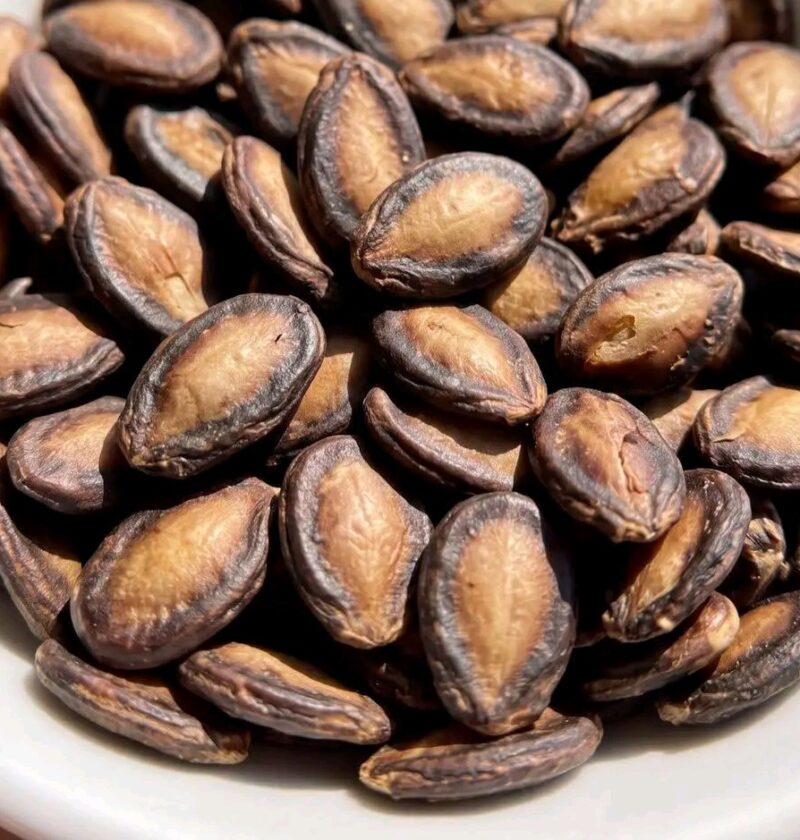
Watermelon seeds are often discarded when eating fresh watermelon, but they can also be prepared as a crunchy snack.
USDA agricultural sources note that watermelon seeds can be roasted and eaten as a snack, and research on edible-seed watermelon varieties has documented their protein and fat content.
The image you shared makes a much stronger claim, suggesting that watermelon seeds can “eliminate all cancerous cells” from the body.
That claim should not be presented as a medical fact. The National Cancer Institute states that no special food, diet, vitamin, supplement, herb, or combination has been proven to cure cancer or slow it down.
Instead, this article focuses on watermelon seeds as a simple homemade food. They can be seasoned and roasted until crisp, making an economical alternative to some packaged snack foods.
Recipe Overview
| Detail | Information |
|---|---|
| Recipe | Crispy Roasted Watermelon Seeds |
| Preparation Time | 10 minutes |
| Drying Time | 20–30 minutes |
| Cooking Time | 12–18 minutes |
| Total Time | About 45–60 minutes |
| Servings | 4 |
| Difficulty | Easy |
| Main Ingredient | Watermelon seeds |
| Texture | Crisp and crunchy |
| Flavor | Nutty and lightly savory |
| Cooking Method | Oven roasting |
| Oven Temperature | 325°F (165°C) |
| Storage | Airtight container |
Why You’ll Love This Recipe
This recipe is a practical way to make use of something that would normally end up in the trash.
Instead of throwing away the mature seeds from a seeded watermelon, you can rinse, dry, season, and roast them into a crunchy snack.
Roasted watermelon seeds have a pleasant nutty flavor and can be seasoned in many different ways. A little salt creates a simple savory snack, while paprika, garlic powder, chili, or cinnamon can give them a completely different character.
They are also convenient for healthy snacking and meal planning because a batch can be prepared ahead and stored in an airtight container.
Most importantly, this recipe keeps the health claims realistic. Watermelon seeds can be nutritious, but they should be enjoyed as part of a varied diet rather than treated as a cancer treatment.
Ingredients
Basic Roasted Watermelon Seeds
| Ingredient | Amount |
|---|---|
| Fresh watermelon seeds | 1 cup |
| Olive oil | 1 teaspoon |
| Fine sea salt | ¼ teaspoon |
| Garlic powder | ¼ teaspoon |
| Smoked paprika | ¼ teaspoon |
| Black pepper | ⅛ teaspoon |
Optional Seasonings
| Ingredient | Amount |
|---|---|
| Chili powder | ⅛–¼ teaspoon |
| Onion powder | ¼ teaspoon |
| Ground cumin | ⅛ teaspoon |
| Cinnamon | ¼ teaspoon |
| Cayenne pepper | Small pinch |
| Nutritional yeast | 1 teaspoon |
Step-by-Step Instructions
1. Collect the Seeds
When cutting a seeded watermelon, scoop the mature seeds into a bowl.
Remove as much watermelon flesh and pulp as possible. The cleaner the seeds are, the easier they will be to roast evenly.
2. Rinse Thoroughly
Place the seeds in a fine-mesh strainer and rinse them under cool running water.
Use your fingers to gently rub away any remaining fruit pulp.
3. Drain the Seeds
Allow the seeds to drain thoroughly.
Pat them dry with a clean kitchen towel or paper towels. Removing excess moisture helps the seeds roast rather than steam.
4. Dry Before Roasting
Spread the seeds in a single layer on a clean towel or baking sheet.
Allow them to air-dry for approximately 20–30 minutes.
For especially wet seeds, you can leave them longer until the surface feels dry.
5. Preheat the Oven
Preheat your oven to 325°F (165°C).
Line a baking sheet with parchment paper if desired.
6. Season the Seeds
Place the dry watermelon seeds in a bowl.
Add the olive oil, salt, garlic powder, smoked paprika, and black pepper.
Toss thoroughly until the seeds are lightly coated.
7. Spread on the Baking Sheet
Arrange the seasoned seeds in a single layer.
Avoid piling them on top of one another because crowded seeds may roast unevenly.
8. Roast
Place the baking sheet in the preheated oven.
Roast for approximately 12–18 minutes, stirring or shaking the pan once halfway through cooking.
Keep a close eye on them during the final few minutes because small seeds can go from golden to burnt quickly.
9. Check for Crispness
The seeds should look lightly browned and feel crisp when cooled.
If they still seem soft, roast them for another 2–3 minutes and check again.
10. Cool Completely
Remove the tray from the oven and allow the seeds to cool for 10 minutes.
They will become noticeably crispier as they cool.
11. Serve
Enjoy the roasted seeds as a snack, or sprinkle them over salads, soups, roasted vegetables, or grain bowls.
Best Tips
The most important step is removing excess moisture. Wet seeds take considerably longer to become crisp, so give them enough time to drain and dry before adding oil and seasoning.
Do not use too much oil. A teaspoon is enough for a cup of seeds and helps the seasoning adhere without making the finished snack greasy.
Keep the seeds in a single layer while roasting and stir them halfway through. This helps promote even browning and reduces the chance of some seeds becoming overcooked.
Because watermelon seeds vary in size and moisture content, the cooking time is an estimate. Start checking them around the 12-minute mark rather than relying only on the clock.
Best Ingredient Options
Fresh seeds from a mature seeded watermelon work well. Commercially dried watermelon seeds can also be used, but cooking times may differ because they contain less moisture.
Extra-virgin olive oil provides a pleasant flavor, while avocado oil or another neutral cooking oil can be used if preferred.
For a simple snack, sea salt and black pepper are enough. Smoked paprika adds a deeper flavor without requiring additional ingredients.
If you prefer a sweet snack, omit the savory seasonings and use a small amount of cinnamon instead.
Recipe Variations
For spicy roasted watermelon seeds, add chili powder and a tiny pinch of cayenne before roasting. The result is a crunchy snack with a mild heat that pairs well with cold drinks.
For a smoky version, use smoked paprika, garlic powder, and black pepper. This combination works especially well when the seeds are served alongside roasted vegetables or grain bowls.
For a sweet variation, lightly coat the dried seeds with a small amount of neutral oil and sprinkle them with cinnamon. After roasting and cooling, you can add a very small amount of sugar if desired.
For an herby version, roast the seeds with garlic powder and black pepper, then toss them with dried oregano after they come out of the oven.
What to Serve With
These roasted watermelon seeds make a convenient standalone snack, but they can also be used as a crunchy topping.
Sprinkle them over salads, vegetable soups, roasted vegetables, oatmeal, yogurt bowls, or grain dishes.
They can also be served alongside fresh fruit as part of a simple snack plate. Their savory crunch provides a nice contrast to naturally sweet fruits.
Make-Ahead Instructions
Roasted watermelon seeds are particularly suitable for making ahead.
Prepare a batch, allow it to cool completely, and transfer it to an airtight container.
For the best texture, do not seal the container while the seeds are still warm. Trapped steam can make them lose their crispness.
Storage
Once completely cool, store the roasted seeds in a clean, dry, airtight container.
Keep them in a cool, dry location away from moisture.
If the seeds develop an unpleasant smell, visible mold, or an unusual taste, discard them.
For the best crunch and flavor, prepare smaller batches rather than storing them indefinitely.
Reheating
Reheating is optional.
If the seeds lose some of their crispness, spread them on a baking sheet and warm them at 300°F (150°C) for approximately 3–5 minutes.
Allow them to cool before eating.
Watch them carefully because their small size means they can burn quickly.
Freezing
Freezing is generally unnecessary for roasted watermelon seeds.
If you have prepared a large batch, an airtight container in a cool, dry place is usually more convenient.
If you do freeze them, place the completely cooled seeds in a freezer-safe airtight container and protect them from moisture. Thaw them while still sealed to reduce condensation.
Common Mistakes to Avoid
One common mistake is roasting the seeds while they are still covered with lots of wet watermelon pulp. This increases the cooking time and can prevent them from becoming properly crisp.
Another mistake is using excessive oil. Watermelon seeds do not need to be swimming in oil to roast successfully.
Do not overcrowd the baking sheet. A single layer gives the heat better access to the seeds and helps them brown more evenly.
Avoid roasting at an unnecessarily high temperature. The outside of the seeds can burn before the inside has developed the desired texture.
Finally, do not confuse the nutritional value of a food with evidence that it can treat a disease.
Laboratory findings about individual food compounds do not establish that eating the food will cure cancer in humans.
The NCI specifically explains that laboratory or observational findings should not be interpreted as proof of a cancer treatment.
Nutrition Estimate
Nutrition can vary considerably according to seed variety, whether the shells are eaten, and the amount of oil and seasoning used.
Research on edible-seed watermelon varieties has found substantial protein and fat in the seeds.
Approximate estimate per ¼ of this recipe, including the small amount of olive oil:
| Nutrient | Estimated Amount |
|---|---|
| Calories | 150–190 kcal |
| Protein | 7–9 g |
| Fat | 10–13 g |
| Carbohydrates | 5–8 g |
| Fiber | 1–2 g |
| Sodium | 140–180 mg |
| Added Sugar | 0 g |
These numbers are estimates rather than laboratory-tested nutrition values.
Frequently Asked Questions
Can watermelon seeds be eaten?
Yes. Watermelon seeds are edible, and USDA sources describe watermelon seeds being roasted and eaten as a snack.
Do watermelon seeds cure cancer?
No. There is no reliable clinical evidence that eating watermelon seeds eliminates cancer cells or cures cancer.
The National Cancer Institute states that no special food, diet, vitamin, mineral, supplement, herb, or combination has been proven to cure cancer or slow it down.
Can I eat watermelon seeds every day?
They can be included as part of a varied diet, but there is no established medical requirement to eat them every day.
Portion size and your overall dietary pattern matter more than treating one ingredient as a special remedy.
Are roasted watermelon seeds nutritious?
Watermelon seeds contain protein and fat, and research on edible-seed watermelon varieties has documented their nutritional composition.
Should I eat the shells?
The texture of watermelon seeds varies depending on the variety and preparation. Commercial edible-seed varieties are specifically grown for their seeds, which are commonly roasted.
If the seeds you have are particularly hard or unpleasant to chew, choose commercially prepared edible watermelon seeds instead.
Can watermelon seeds improve eyesight?
There is no evidence that roasted watermelon seeds can treat blindness or restore lost vision. Any persistent or sudden vision problem should be evaluated by an appropriate healthcare professional.
Can I make watermelon seed powder?
Yes, commercially or culinary-prepared watermelon seeds can be ground after roasting and cooling.
The powder can be incorporated into some recipes, although there is no established therapeutic dose for treating disease.
Can I use these seeds as a cancer treatment?
No. They should be considered a food ingredient rather than a cancer treatment.
People receiving cancer treatment should not replace prescribed treatment with foods, supplements, or internet remedies.
The NCI also advises people with cancer to discuss supplements and dietary changes with their healthcare team because some products can interfere with treatment.
Are watermelon seeds better than other seeds?
There is no meaningful basis for declaring one edible seed universally “best.” Different seeds have different nutritional profiles, and variety is generally more useful than relying heavily on one ingredient.
Final Thoughts
Roasted watermelon seeds are a simple way to turn an often-discarded part of the watermelon into a crunchy homemade snack.
USDA sources confirm that watermelon seeds can be roasted and eaten, and research has documented protein, fat, and fatty acids in edible watermelon seeds.
However, the cancer-related statement in the image should not be used as a health claim in a recipe article. There is no evidence that watermelon seeds can eliminate all cancer cells from the body.
The National Cancer Institute states that no special food or diet has been proven to cure cancer, and some supplements or alternative products can interfere with cancer treatment.
So enjoy these roasted seeds for their flavor, texture, and nutritional contribution—not as a substitute for cancer screening, diagnosis, or evidence-based medical treatment.
For an SEO-friendly food blog, relevant commercial topics such as healthy snacks, nutrition, meal planning, healthy recipes, homemade snacks, and nutritious foods can be incorporated naturally.
I would avoid inserting unrelated high-RPM medical keywords simply to increase advertising value, because that can make the article misleading and reduce its credibility.
⚠️This recipe may not be suitable for everyone, so it is advisable to consult a doctor.